


About Dr Paul Crowe
Over 25 years’ experience of interventional radiology procedures
As a consultant interventional radiologist, Dr Crowe provides minimally invasive procedures for uterine fibroids, varicocele, pelvic congestion syndrome, prostate disease and other health conditions.
Dr Crowe was one of the first interventional radiologists to offer uterine fibroid embolisation in the U.K. Since June 2000, Dr Crowe has performed over 7,000 fibroid embolisation treatments.
In private clinics across Birmingham and London, Dr Crowe provides minimally invasive procedures which can be carried out in a day, with minimal recovery time needed. He also offers a full range of diagnostic radiology scans, including ultrasound, CT and MRI scanning.

What Dr Crowe's Patients Say
KW, Midlands
“I am so, so thankful to have found Dr Crowe, as he has turned my life around for me.”
Book a consultation with Dr Paul Crowe today.
Dr Paul Crowe provides minimally invasive interventional radiology procedures in locations across Birmingham and London, UK.

What Conditions can Interventional Radiology Treat?
Advances in scanning and medical device technologies over recent years have seen a huge increase in the scope and ability of Interventional Radiology to treat a wide variety of conditions. Dr Paul Crowe can provide treatment for Uterine Fibroids, Varicocele, Pelvic Congestion Syndrome, Prostate Disease, Vascular Disease and Adenomyosis. The speciality is at the cutting edge of application of new technologies to treat disease conditions that in the past may have required major surgical procedures with prolonged recovery times.
What is Interventional Radiology?
Interventional Radiology uses various imaging and scanning equipment to offer a range of minimally invasive procedures. The images gained from CT, MRI and ultrasound scans allow Radiologists to see inside the body and guide small medical instruments and tools to the precise area. These tools are incredibly small and inserted through a needle or small cut allowing the targeted procedure to be completed under local anesthesia.
Interventional Radiology procedures range from angioplasty and stenting of narrowed arteries to treating tumours by embolisation or blocking the blood supply. Interventional Radiology procedures Dr Paul Crowe provides include Uterine Artery Embolisation, Varicocele Embolisation, Prostate Artery Embolisation, Venous Access for Cancer and others.

Locations
Consultant Interventional Radiologist,
Dr. Paul Crowe, provides private
services in Birmingham and London, UK.


A general practitioner (GP) referral is always desirable but is not essential and you can be seen for a consultation or scan without a GP referral. It is recommended that Dr. Crowe communicates with and shares results with your GP, but this is only done with your consent.
It is worth noting that if your interventional radiology treatment is being covered by private health insurance a GP referral may be a condition of your policy. This is something you would need to check with your insurer when seeking pre-authorisation.
Consultations and radiology scans can usually be arranged within a week to ten days depending on the exact type of scan you need and your preferred location, either London or Birmingham. Dr. Crowe’s private practice manager, Lisa, can advise on the earliest available appointment options.
- Ultrasound, CT and MRI scans can usually be arranged within 7-10 days depending on your chosen location.
- Bookings for day case or in-patient interventional radiology procedures can usually be arranged within 2-3 weeks depending on your preferred location and hospital bed availability.
- Medically urgent procedures can always be arranged at short notice as required.
Make an enquiry today to find out when you can be seen by Dr. Crowe.
Telephone and video calling for interventional radiology consults are available. Many of our patients with busy lifestyles appreciate these consultation options and they are particularly convenient for patients living some distance from our centres or overseas.
Dr. Crowe’s practice manager, Lisa, can advise on availability.
Yes, Dr. Crowe is happy to take overseas referrals. He offers telephone and online consultations for interventional radiology procedures.
Scans performed in your home country can be reviewed and he can liaise with your local doctors before you travel. Advice can be given on travel and follow up arrangements.
No you don’t need private health insurance to access Dr Crowe’s services. Although the majority of patients are covered by private health insurance, either personal or through their employer, increasing numbers are choosing to self pay and costs are often less than anticipated.
If required, Dr Crowe can provide you with procedure codes needed for pre-authorisation from insurers. Get in touch to discuss payment options and costs for private procedures and scans.
Make an enquiry with Dr Crowe first, our team will let you know if there are any scans you need before a consultation, even if you have previously had any scans.
For an interventional radiology consultation you should bring your medical history, any medications you are taking and let the team know about any previous scans you’ve had.
Often your GP will have referred you but you may have contacted Dr Crowe after doing your own research. At your consultation Dr Crowe will discuss your symptoms, any allergies and risks. You’ll learn about the procedure and anything you need to do before and after it.
Interventional Radiology diagnoses and treats conditions that affect almost all of the systems in the body. These minimally invasive procedures are image-guided and primarily used to diagnose and treat vascular issues, women’s health conditions, and pain management. Dr Crowe specialises in treating:
- Uterine Fibroids
- Varicocele
- Pelvic Congestion Syndrome
- Prostate Disease
- Vascular Disease
- Adenomyosis
Dr Crowe also works closely with specialists to facilitate cancer treatments such as chemotherapy via venous access.
Dr Crowe specialises in gynaecological and urological interventional radiology. Over the past 25 years he has performed over 7000 fibroid embolisations and this is one of the most common procedures he completes.
In many cases interventional radiology procedures can replace conventional open surgery. Most interventional radiology procedures are done under local anaesthetic, compared to general anaesthetic used in open surgery.
Interventional radiology procedures can be done either as a day case or require only a very short hospital stay. Due to their minimally invasive nature patients experience a rapid return to normal activities and can get back to work in a matter of days.
It depends which procedure you have, but many of Dr Crowe’s patients can go home the same day of their procedure. For Uterine Artery Embolisation a one night hospital stay is normal and we recommend booking time off work to rest and recover.
We recommend that you don’t drive after some of our interventional radiology procedures. Instead ensure that someone can pick you up. Our team will discuss any questions you have about the procedure and talk you through aftercare too.
Radiology has much to offer in the detection of peripheral vascular disease and interventional radiology offers many minimally invasive treatments that may avoid the need for by-pass surgery. The leg arteries can be scanned quickly and easily in an out-patient setting using doppler ultrasound scanning. In certain cases a CT scan or MRI scan may be necessary, particularly if intervention is planned.
Arterial narrowings detected on scanning can be widened up by a procedure called angioplasty when a balloon is passed over a guidewire under x-ray guidance and local anaesthetic through the narrowing. The balloon is then inflated and blood flow to the limb restored. Even complete blockages or occlusions can be re-opened. In certain cases the artery may recoil or narrow down again following angioplasty and in these cases the interventional radiologist can place a stent, a small metallic tube that is deployed under x-ray guidance and stays in place permanently to hold the artery open. All of these procedures are performed via a tiny needle puncture in the groin or the arm under local anaesthetic. In many cases the patient goes home the same day.
News
Latest articles

Violetta’s Fibroids Treatment with Dr. Paul Crowe
Dr. Paul Crowe, Consultant Interventional Radiologist, helps thousands of patients across London…

World Interventional Radiology Day January 16th
On January 16th 1964 Dr. Charles Dotter performed the first x-ray guided angioplasty procedure,…
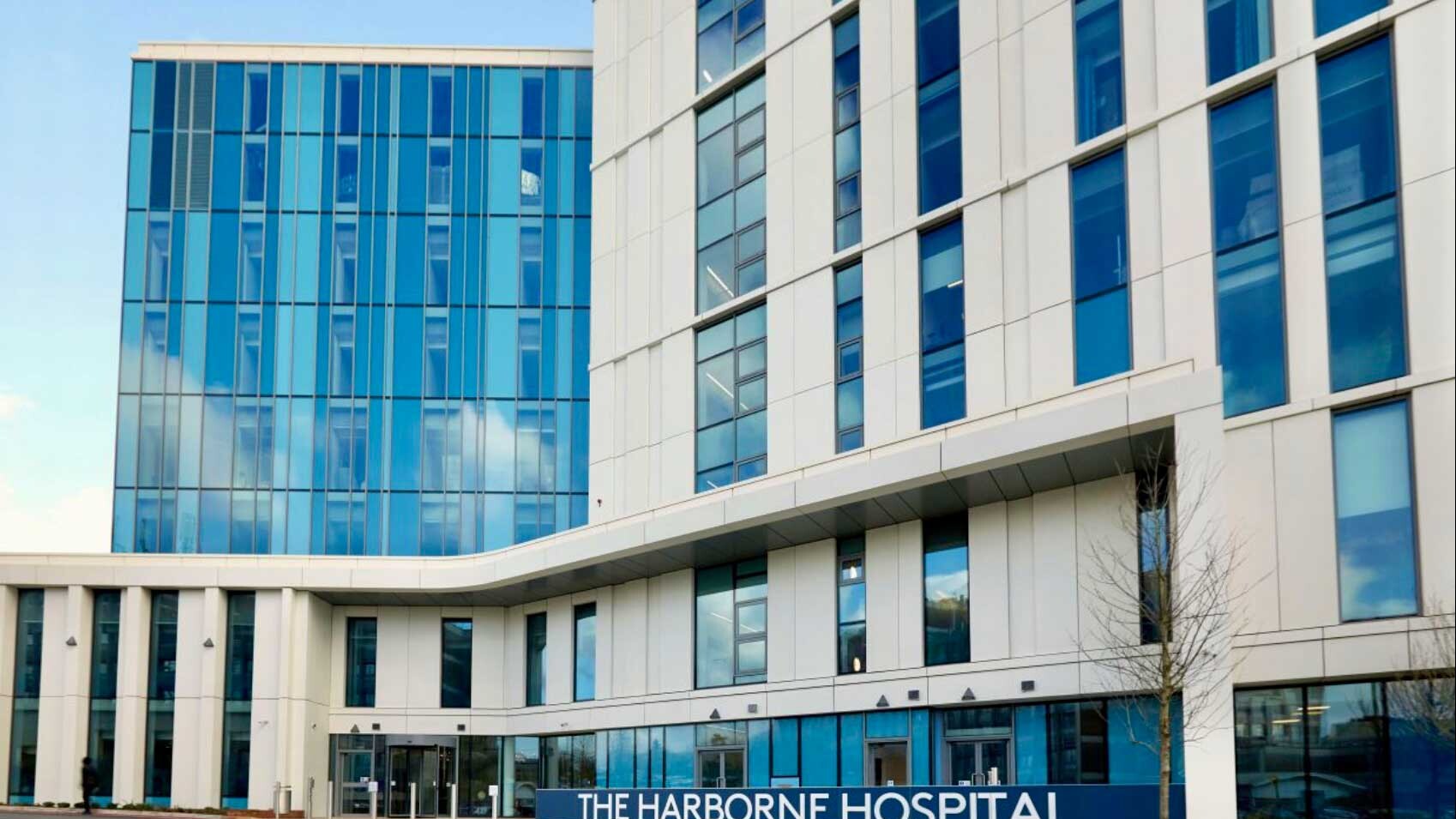
Uterine fibroid embolisation (UFE) at The Harborne Hospital
Dr. Crowe and his team can now offer uterine fibroid embolisation at The Harborne Hospital, the…

July is Fibroid Awareness Month
Fibroid Awareness Month July marks Fibroid Awareness Month, dedicated to raising visibility and…

Dr. Crowe is now a BUPA Platinum consultant
BUPA UK Insurance has launched BUPA Platinum consultants, a new category of consultant to help…

Fibroids Support Group 2021
Fibroid Forum UK, a registered charity, runs a Fibroids Support Group with regular three monthly…

Opening of new Imaging Centre at BMI The Priory Hospital
Monday 26th February saw the official opening of the new Imaging Centre at the Priory Hospital.…

Opening of new Breast & Gynaecology Centre at Reddington Hospital
Dr. Crowe was guest speaker at the opening of the new Breast and Gynaecology Centre on Victoria…

British Society of Interventional Radiology speaks to MPs
The British Society of Interventional Radiology (BSIR) took its campaign to improve the numbers of…

Dr. Crowe running the 2015 Birmingham Half Marathon
Dr. Crowe is running the 2015 Birmingham Great Run Half Marathon on Sunday October 18th and is…
Funding


